
Lennox ML14XC1 Review: Energy-Efficient & Quiet Air Conditionercompany
March 12, 2025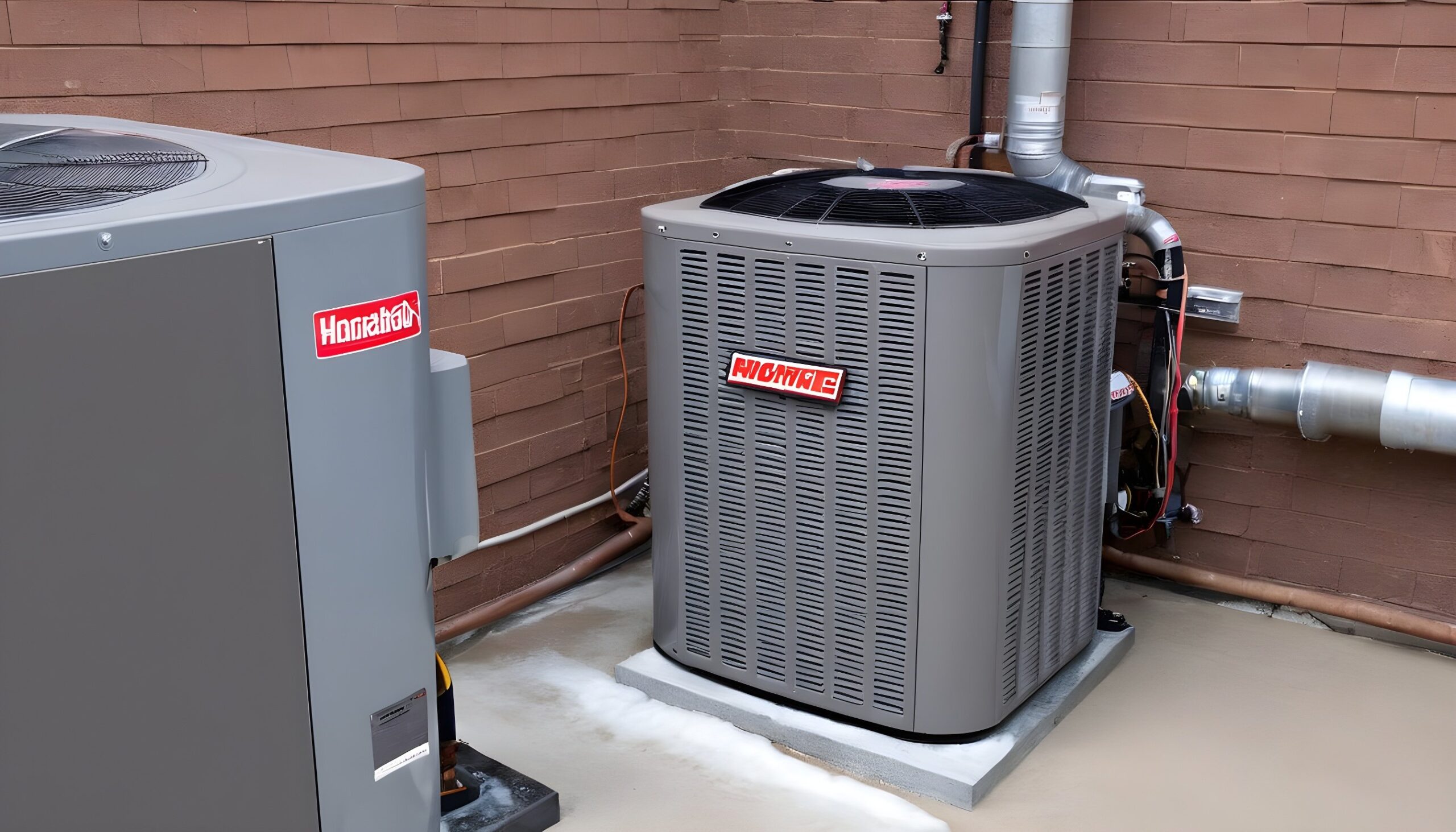
What Does HVAC Stand For? How Does It Work?
March 19, 2025
An AC coil is a critical component of any air conditioning system, responsible for heat exchange that enables cooling. Without properly functioning air conditioner coils, your HVAC system wouldn’t be able to regulate indoor temperatures efficiently.
This article will explore what an AC coil is, its function, types, how it works, and why maintenance is essential. We will also discuss signs of coil malfunction, cleaning methods, and when replacement is necessary.
Understanding AC Coils
What is an AC Coil?
An AC coil is a key part of an HVAC system, facilitating the transfer of heat to regulate indoor temperature. It contains refrigerant, which absorbs and releases heat during the cooling process.
Role in the Heat Transfer and Cooling Process
- The evaporator coil absorbs heat from indoor air, cooling the space.
- The condenser coil expels absorbed heat outdoors, ensuring effective cooling.
- Both coils must function efficiently for optimal energy efficiency and lower electricity bills.
Types of AC Coils
Understanding the two main types of AC coils is essential to grasp how your air conditioning unit functions efficiently.
Evaporator Coil (Indoor Coil)
- Located inside the air handler or furnace.
- Absorbs heat and humidity from the air.
- Allows refrigerant to transition from liquid to gas, cooling the space.
Condenser Coil (Outdoor Coil)
- Found in the outdoor AC unit.
- Releases absorbed heat outside.
- Converts refrigerant back into liquid form to continue the cooling cycle.
Why AC Coils Must Work Efficiently?
- A dirty or malfunctioning coil reduces cooling performance.
- Increased energy consumption due to inefficient heat exchange.
- Leads to potential breakdowns and costly air conditioning repairs.
How AC Coils Work in a Cooling System?
The efficiency of an air conditioner coil depends on proper heat exchange. The cooling cycle works as follows:
- Heat Absorption – The evaporator coil absorbs heat from indoor air.
- Refrigerant Circulation – Heat is transferred to the refrigerant, converting it into gas.
- Heat Release – The condenser coil expels the heat outside, cooling the refrigerant back to liquid.
- Cycle Repeats – The process continues to maintain a comfortable indoor temperature.
Importance of AC Coil Maintenance
How Dirty AC Coils Affect Efficiency?
- Clogged coils restrict airflow, making the system work harder.
- Increases electricity usage, leading to higher utility costs.
- Reduced HVAC system lifespan due to excessive strain.
Benefits of Regular Coil Cleaning
- Improved energy efficiency.
- Lower maintenance and repair costs.
- Extended lifespan of air conditioning units.
- Cleaner indoor air quality by preventing mold and bacteria buildup.
Signs of AC Coil Malfunction
Common Symptoms of a Failing AC Coil
- Ice buildup on the evaporator coil.
- Reduced airflow from AC vents.
- Higher energy bills without increased usage.
- Frequent on/off cycling (short cycling).
- Warm air blowing from the AC unit instead of cool air.
Ignoring these signs can lead to costly AC coil replacement or even a full HVAC system failure.
AC Coil Cleaning and Maintenance Tips
DIY Cleaning Methods (Safe Approaches)
- Turn off the AC unit before cleaning.
- Use a soft brush or vacuum to remove surface debris.
- Apply a non-acidic coil cleaner and rinse with water.
- Ensure air filters are replaced regularly to prevent dirt buildup.
When to Hire a Professional for Coil Cleaning
- If coils are heavily clogged with debris.
- When airflow is significantly reduced.
- If ice or frost buildup is present.
- For an annual HVAC system maintenance check-up.
Preventive Maintenance Tips
- Clean coils at least once a year.
- Keep the condenser unit free of leaves and debris.
- Schedule professional AC inspections annually.
- Change air filters every 1-3 months to maintain airflow.
AC Coil Replacement: When & Why?
How Long Do AC Coils Last?
- Typically 10-15 years, depending on maintenance.
- Lack of proper cleaning can shorten lifespan.
Factors Affecting Coil Failure
- Corrosion due to moisture exposure.
- Physical damage from debris or improper handling.
- Lack of maintenance, leading to dirt accumulation and reduced performance
Should You Replace the Coil or the Whole Unit?
- If your AC is over 10 years old, replacing the entire unit might be more cost-effective.
- If the coil is the only issue, replacing just the coil can extend system life.
- Consult an HVAC professional for a cost-benefit analysis.
Conclusion
Understanding AC coils and their function is essential for efficient cooling and long-term HVAC system performance. Regular coil maintenance, timely repairs, and proper cleaning help ensure energy efficiency and lower electricity bills.
If you notice signs of AC coil failure, don’t delay maintenance. Clean coils lead to better cooling, reduced costs, and improved indoor air quality.
Need Professional AC Maintenance?
For expert AC coil cleaning and maintenance, or replacement, contact Alliance Energy Source today! Our team of HVAC contractors ensures your air conditioning system runs at peak performance.
Schedule a service appointment now and enjoy efficient, cost-effective cooling!