
What is an AC Coil? Everything You Need to Know
March 16, 2025
How to Landscape Around Your AC Unit for Efficiency and Style
March 23, 2025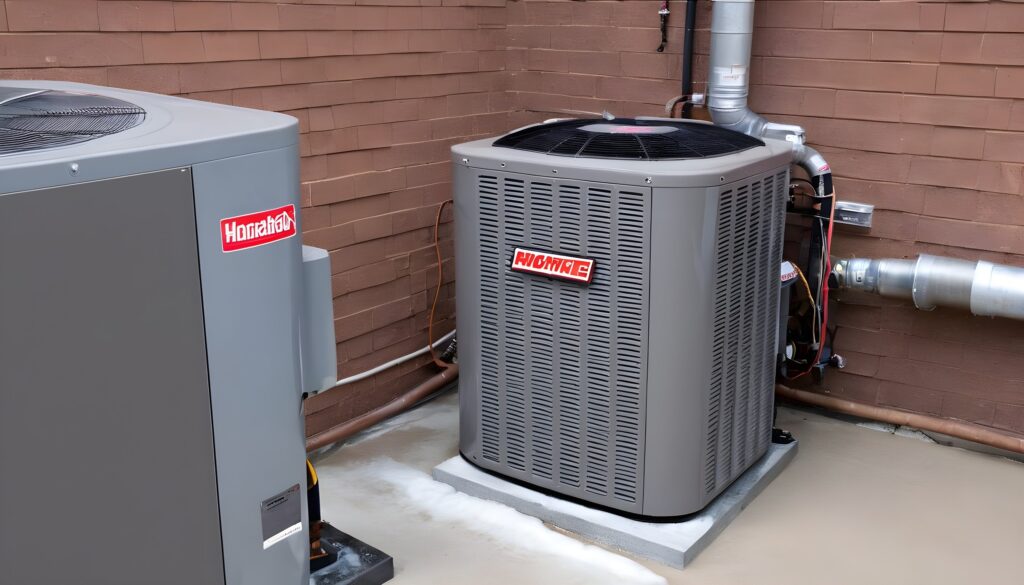
Have you ever wondered, what does HVAC stand for and why it’s essential in modern homes and businesses? HVAC is an acronym for Heating, Ventilation, and Air Conditioning. This system is responsible for maintaining indoor comfort by regulating temperature, airflow, and air quality. Whether at home, in an office, or in commercial buildings, HVAC systems ensure a comfortable and healthy living environment.
In this guide, we will break down the components of HVAC, explain how they work, and discuss why they are crucial for energy efficiency and indoor air quality.
What Does HVAC Stand For? A Breakdown of Its Components
Heating
Heating is a crucial function of an HVAC system, especially in colder climates. Common heating methods include:
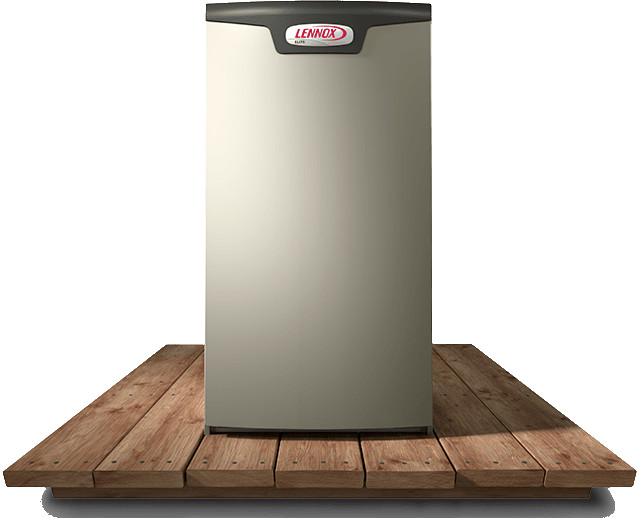
- Furnaces – These use gas, oil, or electricity to generate heat and distribute it through ducts.
- Heat Pumps – These transfer heat from the outside air or ground to warm indoor spaces efficiently.
- Boilers – These heat water and distribute warmth through radiators or floor heating systems.
Ventilation
Ventilation ensures fresh air circulation while removing stale air, odors, and pollutants. It plays a vital role in improving indoor air quality. There are two main types:
- Natural Ventilation – Uses windows, doors, and vents to allow airflow.
- Mechanical Ventilation – Uses fans and duct systems to circulate air and filter contaminants.
Air Conditioning
Air conditioning cools indoor spaces by removing excess heat and humidity. There are different types of AC units:
- Central Air Conditioning – Uses ducts to distribute cool air throughout a building.
- Ductless Mini-Split Systems – Ideal for individual rooms or small spaces.
- Window and Portable AC Units – Best for temporary or smaller-scale cooling.
How Does an HVAC System Work?
HVAC systems operate by integrating heating, ventilation, and air conditioning into one unit to maintain a comfortable indoor environment. Here’s how it works:
- Thermostat Control – The thermostat detects temperature changes and activates heating or cooling.
- Air Distribution – Fans and blowers circulate warm or cool air through ducts or vents.
- Filtration and Air Exchange – The ventilation system filters dust, allergens, and pollutants while exchanging indoor and outdoor air.
Why Is HVAC Important?
HVAC systems are essential for:
✅ Energy Efficiency – Modern HVAC units help reduce electricity consumption.
✅ Comfort and Climate Control – Maintain desired indoor temperatures year-round.
✅ Improved Air Quality – Filters remove allergens, dust, and contaminants.
✅ Health Benefits – Proper ventilation reduces respiratory problems and mold growth.
Common Types of HVAC Systems
When choosing an HVAC system, it’s essential to consider efficiency, climate, and space requirements. The most common types include:
- Split Systems – Separate units for heating and cooling, commonly found in homes.
- Hybrid Systems – Use a combination of electric and gas power for efficiency.
- Ductless Mini-Split Systems – Ideal for homes without ductwork.
- Packaged Heating & Cooling Systems – Compact units for small spaces.
How to Choose the Right HVAC System
When selecting an HVAC system, consider the following factors:
- Climate – Choose systems that perform well in your region.
- Energy Efficiency Ratings – Look for ENERGY STAR® certified models.
- Size & Capacity – An oversized or undersized unit can lead to inefficiency.
- Installation & Maintenance Costs – Consider upfront and long-term expenses.
Conclusion
Now that you know what HVAC stands for and how it works, you can appreciate its role in maintaining comfort and air quality in homes and buildings.
For professional HVAC Richmond Hill installation and maintenance, consult Alliance Energy Source, the best HVAC company that can offer you top-quality systems for purchase and expert repair services. Contact us today at 416-259-6767 or visit our website to schedule a consultation! ✅ Whether you’re looking to install a new HVAC system or maintain an existing one, choosing the right system and regular servicing is key to efficiency and longevity.