
How to fix lennox error code 201 on your furnace
March 25, 2021
How to Change a Furnace Filter?
March 25, 2021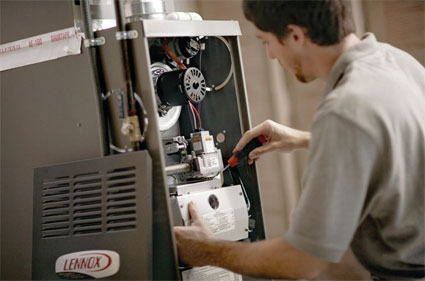
keeping your home and family warm. Its name comes from the Greek word Fornax which means oven. It is a crucial part of any home.
The feudal source that is most commonly used for furnaces in North America is natural gas. Other fuel sources include, coal, wood, oil and electricity. Modern furnaces can reach up to 98% efficiency and do not require a chimney to work.
Today, warm air furnaces usually have a fan system that moves warm air throughout the home while pulling cool air back to be reheated through the duct system. Ducts are cylinder tubes made of either sheet metal or flex duct. Ducts can be insulated or uninsulated. This heating method is called forced-air heat.
No Trouble
Heating systems are typically trouble free and easy to take care of. However, this is ensured with proper and regular maintenance. Performing maintenance routinely is very important, regardless of what type of heating system you have.
If your system is not clean and is clogged with dirt, it will waste fuel and lower the efficiency of the furnace. This leads to higher costs on energy bills and higher costs for repairs. However, keeping your heating system clean you can keep dirt off the 3 main parts of the furnace: the filter, the motor and the blower.
Maintenance
Your furnace should be serviced once a year before you begin to use it for the season. Filters should be replaced every month when the furnace is being used continuously. A gas furnace needs service once a year but ideally twice a year, once in spring and once in fall.
Maintenance of your furnace (examinations and cleaning of its parts such as the filter, fan, heat exchanger and pilot light) can help avoid potential problems. Your home will stay warmer, fresher and clean during the cold winter months.
Annual cleaning of your heating system will also remove any allergens or mold. Duct cleaning will get rid of excess dust and improves the airflow in your home, lowering your energy costs as a result.
The Procedure for Furnace Inspection
Depending on the company, the routine for a furnace inspection may vary a little, but these are the general tasks you should expect from a professional:
- Check for leaks or blockages in the vent system
- Check for a damaged heat exchanger – corrosion and cracks or separations. A faulty heat exchanger can cause deadly carbon monoxide to escape into your home
- Examining and cleaning the blower (removing the lower wheel and cleaning dirt and debris)
- Ensuring the blower access door has a tight seal.
- Checking for blockages in the air intake grills
- Testing the amp-draw on the blower motor and ensuring it meets the unit’s specifications.
- Making sure the burner ignites properly and checking the flame sensor
- Reducing friction of the motors moving parts with lubrication
- Checking wiring for rust and corrosion and testing for tight electrical connections
- Checking the thermostat calibration.
- Making sure the flue does not have any obstructions.
- Testing the safety controls for the unit.
- Checking for wear or cracks on the belts
- Making sure the system is able to start up correctly
- Checking the air filter of the furnace
Eliminate Problems
The furnace is very important when it comes to staying warm in the winter months. Regularly maintaining your furnace can help prevent potential problems from happening, keep your home comfortable, and your winters stress free.