
How to Landscape Around Your AC Unit for Efficiency and Style
March 23, 2025
How Long Does It Take to Install an AC Unit? AC installation Guide
March 30, 2025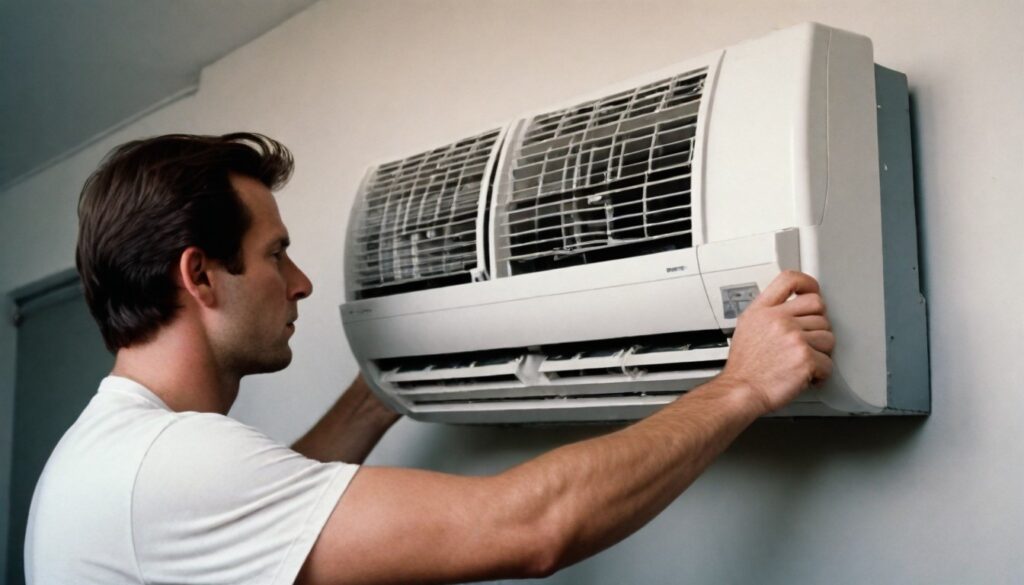
Air conditioners are essential for maintaining comfort and air quality, but they can also become breeding grounds for mold, posing risks to your health and the performance of your HVAC system. In regions with humid summers, such as Canada, mold growth in air conditioners is especially common. This guide will help you detect, clean, and prevent mold in your air conditioner to ensure a healthy and efficient home environment.
How to Identify Mold in Your Air Conditioner: Signs and Symptoms
Mold in your air conditioner can sometimes go unnoticed until it becomes a significant issue. Here are the key indicators:
1. Musty or Unpleasant Odors
A persistent musty or earthy smell coming from your air conditioning system is one of the earliest signs of mold. If the smell becomes noticeable when the AC is running, it’s a good idea to inspect your unit thoroughly.
2. Visible Mold Growth
Mold often appears as black, green, or white spots on visible parts of the AC system. Check areas such as vents, drip pans, or evaporator coils. It may have a slimy or fuzzy texture depending on the type of mold.
3. Health Symptoms
Exposure to mold in air conditioners can cause allergic reactions or respiratory problems. Common symptoms include sneezing, coughing, itchy or watery eyes, and asthma flare-ups. If these issues worsen when the AC is in use but improve when you leave the space, mold might be the cause.
4. Reduced AC Performance
Mold can obstruct airflow, causing your air conditioner to work harder and less efficiently. If you notice inconsistent cooling, poor airflow, or a sudden spike in energy bills, mold could be affecting your system’s performance.
Common Areas for Mold Growth in Air Conditioners
Mold thrives in damp, dark areas, and air conditioners provide an ideal environment for its growth. Here are the areas most prone to mold in different types of AC units:
Central Air Conditioners
- Ductwork: The dark and humid environment inside ducts makes them highly susceptible to mold, especially if there’s condensation or poor ventilation.
- Drip Pan: Standing water in the drip pan is a perfect breeding ground for mold if it’s not cleaned regularly.
- Evaporator Coils: These coils dehumidify air but can trap moisture, encouraging mold growth if airflow is restricted.
Window Units
- Filters: Dust and trapped moisture in dirty filters can promote mold growth.
- Interior Components: The confined space of window units often traps moisture, allowing mold to spread unnoticed.
Portable Air Conditioners
- Water Reservoir: If the reservoir isn’t emptied frequently, stagnant water can lead to mold growth.
- Hoses and Connections: Moisture build-up in hoses and around connections can foster mold.
Ductless Mini-Splits
- Indoor Unit: Condensation in the blower wheel or unit casing creates a prime environment for mold.
- Drain Line: A clogged or improperly sloped drain line can result in standing water, leading to mold.
How to Safely Clean Mold from Your Air Conditioner
If you’ve identified mold in your air conditioning system, it’s crucial to clean it promptly and effectively. Follow these steps:
1. Turn Off the AC Unit
Switch off the system to prevent mold spores from spreading through your home.
2. Use Protective Gear
Wear gloves, a mask, and goggles to minimize your exposure to mold spores.
3. Clean the Vents and Ducts
- Remove vent covers and clean them with soap and water.
- Use a vacuum with a HEPA filter to clean inside the ducts.
- Apply a mold-specific cleaning solution or a diluted bleach mixture (1 part bleach to 10 parts water) for stubborn mold.
4. Replace or Clean Filters
- Inspect the air filter. If it’s reusable, wash it with soap and water; otherwise, replace it with a new one.
5. Address the Drip Pan and Coils
- Empty the drip pan and clean it using a mold cleaner or a mild detergent solution.
- Gently clean the evaporator coils with a coil cleaner to remove mold and debris.
6. Seek Professional Help for Severe Cases
If mold has spread extensively or is located in hard-to-reach areas, contact a licensed HVAC technician. Professionals have the tools and expertise to safely and thoroughly clean the system.
Tips for Preventing Mold in Your Air Conditioner
Preventative maintenance is the best way to avoid mold problems in your AC system. Here are some tips:
1. Control Humidity Levels
- Use a dehumidifier to maintain indoor humidity between 30% and 50%.
- Ensure adequate ventilation in moisture-prone areas, such as kitchens and bathrooms.
2. Perform Regular Maintenance
- Clean or replace air filters every 1 to 3 months.
- Inspect and clean the drip pan and evaporator coils to prevent standing water.
- Schedule professional HVAC maintenance annually to address potential issues before they worsen. Contact Alliance Energy Source to schedule your yearly maintenance and ensure your system is in top shape
3. Improve Airflow
- Ensure vents and registers are unobstructed by furniture or other objects.
- Clear debris around the outdoor condenser unit to improve airflow.
4. Install UV Lights
UV lights inside the AC system can help kill mold spores and inhibit their growth.
5. Check Drainage Systems
- Regularly inspect the condensate drain line to ensure it’s free of blockages.
- Address pooling water in the drip pan immediately to prevent mold growth.
Why Mold Prevention Matters
Mold in air conditioners not only reduces efficiency but also poses serious health risks, particularly for individuals with respiratory conditions or allergies. Proactive measures to prevent and address mold can save you from costly repairs and ensure your home’s air quality remains safe.
Final Thoughts
Detecting and addressing mold in your air conditioner is essential for maintaining a healthy home environment. By recognizing the signs of mold, cleaning your system effectively, and implementing preventative strategies, you can protect both your family’s health and your HVAC system’s performance. If the issue persists or seems overwhelming, don’t hesitate to consult a professional HVAC technician for assistance. For reliable and professional service, visit Alliance Energy Source today. Let us help you maintain a healthier, mold-free home.