
Heat Exchanger Problems: How They Reduce Furnace Efficiency and Put Your Home at Risk
January 2, 2026
Furnace Repair: What Homeowners Need to Know
January 11, 2026
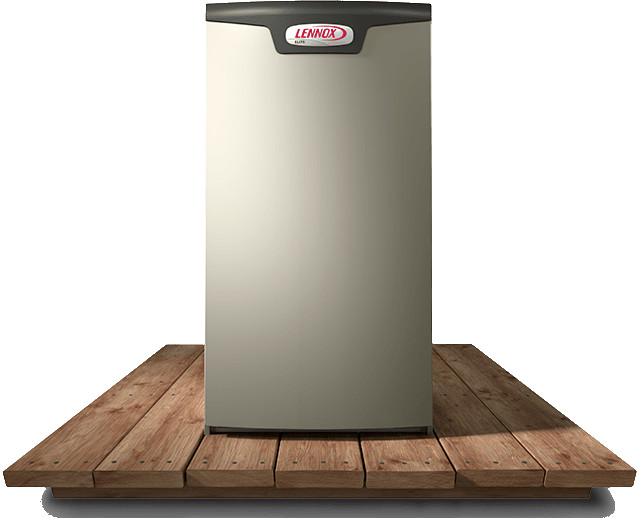
Replacing a furnace is a major decision for any homeowner. A proper furnace replacement improves comfort, lowers energy bills, and ensures your family’s safety—but only if it’s done correctly. Understanding what steps are involved in furnace replacement and what to expect after installation helps you avoid costly mistakes. Furnace replacement is key to maintaining an efficient and safe heating system.
This guide explains everything homeowners should know.
Why Furnace Replacement Matters
An aging or inefficient furnace can lead to:
- Uneven heating
- Rising gas bills
- Frequent breakdowns
- Potential safety risks
If your furnace is 12–15 years old or older, replacement is often more cost-effective than continued repairs.
What to Check Before Furnace Replacement
1. Confirm Replacement Is the Right Decision
Before replacing your furnace, a professional inspection should confirm:
- Overall system condition
- Efficiency level
- Repair vs replacement cost comparison
If repair costs approach 40–50% of the cost of a new furnace, replacement usually makes more financial sense.
2. Proper Furnace Sizing Is Critical
Installing the wrong furnace size is a common mistake.
An oversized furnace:
- Cycles on and off too frequently
- Wastes energy
- Creates uneven temperatures
A proper heat-load calculation ensures the furnace matches your home’s size, insulation, and layout.
3. Choose the Right Efficiency Level
High-efficiency furnaces typically operate at 90–98% AFUE and:
- Reduce gas consumption
- Lower monthly heating bills
- Qualify for rebates
The ideal efficiency level depends on your budget, climate, and heating needs.
4. Check Venting, Gas, and Drain Requirements
New furnaces may require:
- Updated venting systems
- Proper gas pressure adjustments
- Condensate drain installation
Addressing these items before installation prevents delays and safety issues.
5. Ask About Rebates, Permits, and Financing
Before installation, confirm:
- Available rebates
- Financing options
- Permit and inspection requirements
A professional HVAC contractor should handle permits and code compliance.
What Happens During Furnace Replacement
A standard furnace replacement includes:
- Safe removal of the old unit
- Proper disposal according to regulations
- Installation of the new furnace
- Gas, electrical, and venting connections
- Full system testing and safety checks
Most replacements are completed within one working day.
What to Do After Furnace Replacement
1. Understand System Operation
After installation, homeowners should know:
- How to use the thermostat
- Normal startup and shutdown behavior
- Basic warning signs or error codes
2. Replace Air Filters Regularly
Dirty filters reduce airflow and efficiency.
- Check filters monthly
- Replace every 1–3 months
This simple maintenance step protects your new furnace.
3. Schedule Annual Maintenance
Annual inspections help:
- Maintain efficiency
- Protect the manufacturer’s warranty
- Catch minor issues early
4. Monitor Heating Performance and Bills
After replacement, you should notice:
- More consistent heating
- Quieter operation
- Reduced energy bills
If performance does not improve, airflow or setup adjustments may be needed.
Common Furnace Replacement Mistakes to Avoid
- Choosing the lowest price without reviewing installation quality
- Skipping proper furnace sizing
- Ignoring ductwork condition
- Failing to register warranties
- Delaying routine maintenance
Final Thoughts
A successful furnace replacement requires careful planning before installation and proper care afterward. When done correctly, a new furnace delivers improved comfort, lower energy costs, and reliable performance for many years.