
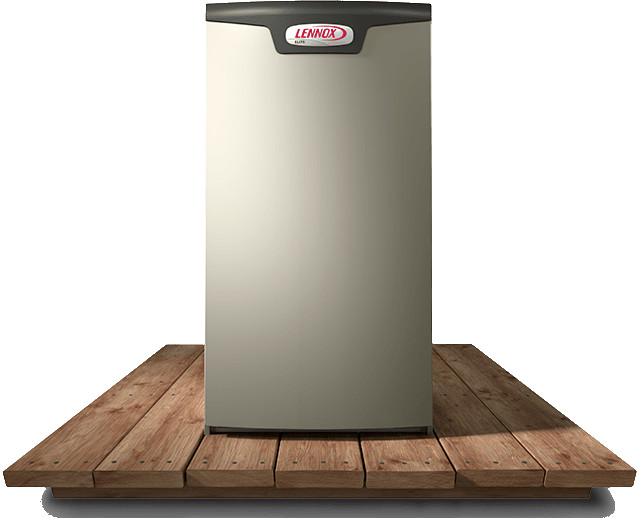
Elite Series – EL297V
February 9, 2025
Furnace Filter Types: How to Choose the Best for Your Home
March 2, 2025
Ever notice your home isn’t reaching the perfect temperature, despite your HVAC system working non-stop? It could be time to troubleshoot your thermostat to restore comfort and save energy!
Your thermostat is the silent operator of your HVAC system, keeping your home at just the right temperature year-round. When it malfunctions, it can disrupt not only your comfort but also your energy efficiency. Understanding how to identify and resolve thermostat problems can help you maintain a cozy living environment without unnecessary costs.
Common Thermostat Problems
1. Incorrect Temperature Readings
A thermostat that shows inaccurate readings is one of the most common complaints homeowners have. This issue often occurs when the thermostat is positioned near sunlight, heat-producing devices, or airflow disturbances.
How to Fix It:
- Relocate the thermostat to an area away from windows, vents, or any appliance that might interfere with its readings.
- Clean the thermostat regularly to prevent dust and dirt from affecting its sensors.
2. HVAC System Not Reaching Desired Temperature
If your HVAC system seems to be working hard but isn’t achieving the desired room temperature, the thermostat might be sending inaccurate signals. Possible causes include miscalibration, dirt, or communication breakdown between the thermostat and HVAC system.
How to Fix It:
- Keep the thermostat clean and dust-free.
- Check the calibration—an improperly calibrated thermostat may require a simple reset or adjustment.
- If issues persist, it’s time to call in a professional to ensure it’s functioning as it should.
3. Blank or Unresponsive Display
A thermostat with a blank or frozen display can leave your home in discomfort, as it directly impacts your HVAC system’s performance. The issue may arise from drained batteries, faulty wiring, or internal errors.
How to Fix It:
- Change the batteries to see if that resolves the issue.
- Inspect the wiring for any loose or disconnected connections.
- Consider replacing the thermostat if the issue remains unresolved, especially if the thermostat is outdated.
Smart Thermostat Issues and Fixes
1. Poor Wi-Fi Connectivity
Smart thermostats depend on a stable Wi-Fi connection to offer features like remote control and automated adjustments. Weak signals or outdated software can hinder these capabilities.
How to Fix it:
- Ensure strong Wi-Fi signal near the thermostat.
- Regularly update the thermostat’s software to ensure bug fixes and improved functionality.
2. Unexpected Temperature Fluctuations
Smart thermostats equipped with motion sensors may adjust the temperature based on movement, which can be a nuisance if it leads to constant changes in your home’s climate.
How to Fix it:
- Adjust motion sensor settings to reduce the frequency of unwanted temperature changes.
- Enable geofencing to allow the thermostat to detect when you’re home and adjust accordingly.
3. Smart Thermostat Security Concerns
Like any smart device, your thermostat could be vulnerable to hacking. Weak passwords and an unsecured network can leave it exposed to unwanted access.
Preventive Measures:
- Use strong, unique passwords to protect your thermostat settings.
- Regularly update the firmware to ensure you’re protected with the latest security features.
- Secure your Wi-Fi network with encryption and avoid using default passwords.
When to Replace or Repair Your Thermostat
Sometimes a thermostat repair just won’t do, and replacement might be the best option. Consider upgrading your thermostat if:
- Age: Thermostats older than 10 years may not offer the features or energy efficiency of newer models.
- Compatibility: Older thermostats may not communicate well with modern HVAC systems.
- Upgraded Features: Smart and programmable thermostats offer enhanced energy savings, convenience, and remote control options.
Simple Maintenance for Long-Term Thermostat Efficiency
By keeping your thermostat in good condition, you can reduce the likelihood of issues and prolong its lifespan:
- Clean Regularly: Dust buildup can block sensors and affect temperature accuracy.
- Replace Batteries Annually: To avoid unexpected malfunctions, replace the batteries every year.
- Seasonal Adjustments: Ensure your thermostat is calibrated for the upcoming season to optimize HVAC performance.
- Update Firmware: Smart thermostats should be updated to keep software bugs at bay.
Quick DIY Troubleshooting for Thermostat Issues
Before calling a professional, try this checklist to resolve thermostat problems on your own:
- Check Power: Make sure the thermostat has power. If not, replace the batteries.
- Verify Settings: Ensure the thermostat is set to the correct mode (heating or cooling).
- Inspect Wiring: Look for any loose or damaged wires that might disrupt functionality.
- Restart the Device: Reset your thermostat to refresh its settings and clear any glitches.
If these basic troubleshooting steps don’t work, it may be time to consult with an HVAC expert.
Final Thoughts: Keep Your Home Comfortable and Energy Efficient
Thermostat problems are more than just a minor inconvenience—they can affect your home’s comfort and your energy bills. But with a little know-how, these problems can be easily solved. Whether you need to relocate your thermostat, replace batteries, or upgrade to a smart model, timely action will help ensure your HVAC system operates efficiently.
For expert repairs, energy-efficient solutions, or professional advice, call Alliance Energy Source today!

